Most home systems do not fail all at once. Instead, they send out small, easy-to-miss signals for weeks or months before a breakdown finally forces your hand. Learning to recognize these early clues can save you thousands of dollars, prevent emergency repairs, and give you time to plan improvements on your own schedule. This guide walks through the most common warning signs across your roof, HVAC, electrical, plumbing, windows, and pest defenses so you know exactly what to watch for.
Roof Shingles Curling or Granules in the Gutter
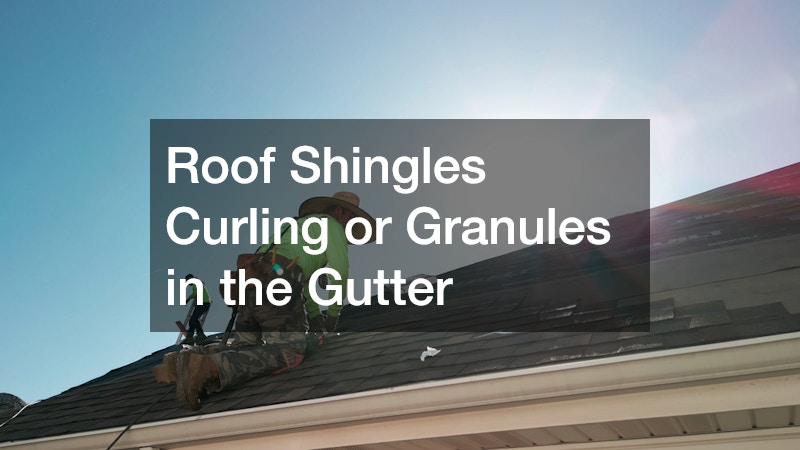
Your roof is designed to shed water and protect everything underneath it, but shingles do not fail overnight. Curling edges, cracked tabs, and dark streaks are all early indicators that the protective layer is breaking down faster than it should. If you notice sandy granules collecting in your gutters or at the base of downspouts, that is a sign your shingles are losing their surface coating and their ability to block UV rays and moisture.
Catching these issues early often means the difference between a manageable patch job and a full replacement. A qualified team offering roof repair can assess whether flashing, ventilation, or isolated shingle damage is the culprit before it turns into a leak inside your attic or ceiling.
- Missing or cracked shingles, especially after storms
- Soft spots or sagging areas when walking on the roof
- Daylight visible through attic boards
- Rusted or damaged flashing around chimneys and vents
- Water stains spreading across ceiling drywall
Aging Roofing Materials Nearing the End of Their Lifespan
Every roofing material has a realistic service life, and knowing your roof’s age helps you anticipate problems before they become emergencies. Asphalt shingles typically last twenty to twenty-five years, while metal and tile can last much longer if properly maintained. If your home is approaching or past that window, even minor issues deserve closer attention because the underlying materials have less flexibility and resilience left.
When it comes time for a full replacement, choosing the right roofing installations matters just as much as the timing. Proper underlayment, ventilation, and flashing work all affect how long a new roof will last, so it pays to ask contractors detailed questions about the materials and techniques they use rather than focusing only on price.
HVAC Systems Running Longer Than They Used To

One of the clearest signs that your heating and cooling system is struggling is a noticeable increase in runtime. If your system used to cycle on and off every twenty or thirty minutes but now runs almost continuously to maintain the same temperature, something inside the unit is losing efficiency. This could be a failing compressor, low refrigerant, a clogged filter, or aging ductwork that is leaking conditioned air before it reaches your rooms.
Unusual noises like grinding, rattling, or high-pitched squealing are also worth taking seriously, since they often point to worn belts, loose components, or motor bearings on their way out. Rather than waiting for a complete breakdown during the hottest or coldest week of the year, having a reputable HVAC company inspect the system annually can catch these problems while they are still inexpensive to fix.
- Uneven temperatures between rooms
- Rising energy bills without a change in usage habits
- Frequent short cycling or system restarts
- Musty odors coming from vents
- Visible rust or corrosion on outdoor units
Furnace Warning Signs Before Winter Arrives
A furnace nearing failure often gives off subtle clues long before it stops working entirely. Yellow or flickering burner flames instead of a steady blue flame can indicate incomplete combustion, which is both an efficiency problem and a potential safety hazard. Strange smells, especially a persistent burning odor that does not fade after the first startup of the season, should never be ignored.
If your furnace is more than fifteen years old and requiring frequent repairs, it may be more cost effective in the long run to consider furnace installation rather than continuing to patch an aging unit. Newer systems are significantly more efficient, and replacing a failing furnace before winter avoids the stress of scheduling emergency service during the coldest days of the year.
Electrical Panels and Outlets Showing Signs of Strain
Electrical problems are especially important to catch early because they carry real safety risks, including fire hazards. Warm outlet covers, flickering lights, and breakers that trip repeatedly are all signs that your system is being asked to handle more load than it was designed for. Older homes with outdated panels are particularly vulnerable, since many were never built to support the number of devices and appliances found in a modern household.
A licensed provider of residential electrical services can evaluate your panel capacity, check for outdated wiring types like aluminum or knob-and-tube, and identify overloaded circuits before they become dangerous. Buzzing sounds from switches or a persistent burning smell near outlets are urgent signs that should prompt an immediate inspection rather than a wait-and-see approach.
- Discolored or scorched outlet faceplates
- Lights that dim when appliances turn on
- A breaker box that feels warm to the touch
- Frequent need to reset breakers
- Extension cords used as permanent wiring solutions
Water Heaters Making Noise or Losing Efficiency
A water heater rarely fails without warning. Popping or rumbling sounds usually mean sediment has built up at the bottom of the tank, forcing the unit to work harder to heat water and shortening its overall lifespan. In tanks with heavy mineral buildup, that trapped water can boil and create small steam explosions beneath the sediment layer, which is exactly what causes the knocking noise homeowners hear.
This problem tends to worsen faster in areas with hard water, so if you’ve never flushed your tank, it’s worth checking your water hardness and scheduling a flush at least once a year. Skipping this maintenance step doesn’t just add noise; it can reduce the tank’s efficiency by making the burner or heating element run longer to reach the same temperature, which shows up as a noticeable jump in utility bills.
Rusty or discolored water, especially when only the hot tap is affected, often signals internal corrosion that will eventually lead to a leak. This is usually a sign that the sacrificial anode rod inside the tank has corroded away and is no longer protecting the tank’s steel lining. Once that rod is depleted, rust begins attacking the tank itself, and there’s no way to reverse that damage.
Other subtle clues include water that takes noticeably longer to heat, inconsistent temperatures throughout the day, or a faint metallic smell from the hot tap. Any of these signs, especially combined with a tank older than eight to ten years, are worth having inspected before a slow leak turns into a flooded utility closet.
A rumbling, popping, or knocking sound coming from the tank usually means sediment has built up on the bottom, insulating the burner or heating element from the water and forcing it to work harder. Over time that sediment layer hardens, reduces capacity, and accelerates corrosion of the tank itself. If you notice inconsistent water temperatures, a tank that takes noticeably longer to reheat, or rusty-looking water, scheduling water heater repair sooner rather than later can prevent a sudden failure that floods a utility closet or basement.
Other red flags worth watching for include a pilot light that won’t stay lit, a burning smell near a gas unit, or moisture pooling around the base of the tank even when nothing nearby has leaked. Any of these can point to a failing thermocouple, a cracked tank, or a corroded fitting that will only get worse with time. Catching these issues early often means a simple part replacement instead of a full system breakdown.
Most tank-style units last eight to twelve years, while tankless models can run fifteen to twenty with regular maintenance, so age combined with any of these symptoms is a strong signal to have a professional take a closer look. Flushing the tank annually to clear sediment and checking the anode rod every two to three years can extend its lifespan considerably. If your unit is already past the ten-year mark and showing multiple warning signs at once, it may be more cost-effective to discuss replacement options rather than repeated repairs.
Windows Letting in Drafts or Fogging Between Panes

Windows quietly lose their effectiveness over time, and the signs are often subtle enough to overlook for years. Condensation trapped between double-pane glass means the seal has failed and the insulating gas or air gap is no longer doing its job. Drafts you can feel near the frame, even when the window is fully closed, point to worn weatherstripping or a frame that has shifted out of square.
Difficulty opening or closing a window smoothly is another clue that the frame or hardware has degraded. Reaching out to experienced window installers for an assessment can help you determine whether a simple reseal or hardware repair will suffice or whether full replacement units would offer better energy savings over the long run.
Exterior Surfaces Losing Their Protective Barrier
The outside of your home takes a constant beating from sun, rain, and wind, and small signs of wear can point to bigger problems underneath. Peeling paint, chalky siding residue, or grime buildup on windows and exterior walls can mask early moisture damage if left unaddressed for too long. Regular cleaning is not just cosmetic maintenance, since it also gives you a chance to inspect these surfaces up close.
Hiring a window washing company periodically does more than improve curb appeal, since a trained crew often notices cracked seals, soft wood, or early mold growth that homeowners miss from the ground. Catching these details during a routine cleaning visit can prompt a repair before moisture works its way into the wall structure.
Pest Activity Signaling Structural Vulnerabilities
Insects and rodents are often drawn to homes that already have small vulnerabilities, like gaps in siding, damp crawl spaces, or deteriorating wood. These pests don’t just cause cosmetic annoyance; they actively exploit and worsen structural weak points, turning a minor entry gap into a much larger repair problem over time.
Termite damage in particular can go unnoticed for a long time because it happens inside walls and support beams rather than on visible surfaces. A single colony can consume wood continuously for years, and by the time damage becomes visible, load-bearing members may already be compromised. Discarded wings near windowsills or doors often signal a swarm event, which typically means a mature colony has established itself nearby.
Mud tubes running along the foundation, about the width of a pencil, are another telltale sign, since termites build these to travel between soil and wood while avoiding open air. Hollow-sounding wood when tapped, along with floors that feel spongy or doors that suddenly stick, can also indicate hidden tunneling. Carpenter ants leave behind smooth, sawdust-like frass rather than mud tubes, which helps distinguish their damage from termite activity.
Rodents present a different but related risk, since gnawed wiring, chewed insulation, and droppings near baseboards can point to nesting inside wall cavities. Beyond structural wear, this activity increases fire hazards and can compromise insulation performance. Scheduling an annual pest inspection, especially in older homes or those with crawl spaces, can catch these issues before they escalate into costly structural repairs.
Pests don’t just cause a nuisance—they can be a red flag for deeper structural problems already underway. Hollow-sounding wood, discarded insect wings near windowsills, small mounds of sawdust-like material, or faint clicking noises inside walls can all indicate an infestation actively compromising your home’s framework. In humid climates, an experienced north carolina pest control provider can identify regional risks like termites, carpenter ants, and moisture-loving insects that thrive in the local environment.
Termites alone cause billions of dollars in property damage nationwide each year, and much of that damage goes unnoticed until repairs become extensive and costly. Carpenter ants, while they don’t consume wood like termites, tunnel through it to build nests, often targeting areas already softened by moisture. Moisture-loving pests such as silverfish or certain beetles can also signal that humidity levels behind walls or under floors are higher than they should be.
Regular inspections are especially valuable for older homes or properties with crawl spaces, where hidden damage can accumulate for years before becoming visible. Homes built before modern moisture barriers and treated lumber became standard are particularly vulnerable to slow, undetected deterioration. Scheduling professional evaluations at least once a year, or immediately after noticing unusual signs, can help catch problems before they require major structural repairs.
Deciding When a Larger Renovation Makes More Sense

Sometimes a series of small warning signs across multiple systems adds up to a bigger picture: your home may benefit more from a coordinated renovation than a string of individual repairs. If you are replacing a roof, updating electrical, and addressing water damage all within the same year or two, it may be worth stepping back and planning the work together. This approach can reduce redundant labor costs and give you a chance to address underlying issues, like insulation or layout, at the same time.
Bringing in a remodeling company for a whole-home assessment can help you prioritize which systems need immediate attention and which can wait, based on a realistic budget and timeline. A coordinated plan also reduces the disruption of having different contractors in and out of your home over an extended period.
Paying attention to these early warning signs puts you back in control of your home’s maintenance instead of leaving you to react to emergencies. Small investments in inspection and timely repair almost always cost less than the damage caused by ignoring a problem until it becomes serious. Walk through your home this weekend with this list in hand, and start addressing the issues that matter most before they turn into costly surprises.
About the Author