
Every homeowner eventually faces the remodeling dilemma: how to design a space that satisfies personal aesthetic tastes while simultaneously making a sound financial decision. Renovating a home is a major investment of time, emotion, and capital. When it comes to generating real equity, not all rooms are created equal. The kitchen and the bathroom consistently rank as the highest-value zones in a residential property. They are the emotional hubs of the household and the first spaces prospective buyers scrutinize. A masterfully executed remodel can completely transform your daily living experience while yielding an impressive return on investment when it comes time to sell.
The secret to maximizing that financial return lies in strategic planning. It requires a delicate balance of architectural foresight, strict budgeting, material knowledge, and elite craftsmanship. Dive deep into where you should splurge for maximum visual impact, where you can safely cut corners to protect your bottom line, and how to safeguard the invisible infrastructure behind your walls. By focusing on smart investments and avoiding common remodeling pitfalls, you can ensure that every dollar spent directly enhances your home’s long-term market value.
Strategic Budgeting: Where to Splurge vs. Save

A common error homeowners make is over-improving a property for its specific geographic market. Real estate experts generally recommend the 5-15% rule to protect your equity. This baseline dictates that your entire kitchen remodel should cost between 5% and 15% of your home’s total current market value, with a master bathroom allocation hovering closer to 5% to 10%. Spending $80,000 on a kitchen in a neighborhood where homes top out at $250,000 makes it nearly impossible to recoup your expenses. Conversely, under-improving a luxury home with cheap, low-grade fixtures will actively depress its resale potential.
To maximize your budget, you must ruthlessly prioritize high-impact splurges over cosmetic filler. Allocate your funds toward high-touch surfaces that people interact with constantly, such as solid interior doors, premium cabinet hinges, heavy-duty drawer slides, and heavy metallic hardware. These elements provide a tactile sense of luxury that makes a home feel incredibly well-built. You can offset these premium costs by saving on structural modifications. Keeping your sinks, appliances, and walls in their exact current locations saves thousands of dollars in framing, drywall, and utility re-routing fees.
Navigating these complex financial and design decisions early in the process is vital. Partnering with a highly reviewed kitchen remodeling company from day one allows you to establish a realistic scope of work based on actual material costs rather than guesswork. These specialized teams help you avoid the dreaded mid-project change orders that frequently derail residential budgets. Furthermore, if your renovation plans stretch across multiple rooms or involve open-concept transitions, it is incredibly wise to consult with professional interior remodeling contractors. These experts ensure structural consistency, guaranteeing that your new spaces flow seamlessly into the surrounding architecture rather than looking like an isolated, mismatched afterthought.
- The Neighborhood Ceiling: Always research recent neighborhood sales before setting your final budget parameters.
- The Contingency Buffer: Always set aside an extra 15% to 20% of your total budget for unexpected structural or mechanical surprises.
- Layout Preservation: Retaining your existing footprint is the single most effective way to keep labor costs manageable.
Kitchen Upgrades That Sell: Cabinetry and Storage
Cabinetry represents the literal marrow of the kitchen. It dictates the physical layout, the visual rhythm, and the daily functional flow of the entire room. When prospective buyers walk into a kitchen, the quality and abundance of storage are often the first things they evaluate. To maximize your kitchen’s market value, you must design with a focus on maximizing both horizontal and vertical square footage.
One of the most effective ways to elevate a kitchen’s luxury profile is by extending the upper cabinets all the way to the ceiling. Standard 30-inch upper cabinets leave an awkward gap at the top that collects dust and creates visual clutter. Opting for 42-inch or stacked upper cabinets eliminates this dead space, makes the ceiling feel significantly taller, and provides crucial long-term storage for seasonal items.
The interior configuration of your cabinetry is just as vital as its exterior appearance. Modern homebuyers look for highly functional interior fittings that simplify daily organization. Replacing traditional, deep lower cabinets—which require you to get on your hands and knees to find buried items—with deep, full-extension pot drawers is a massive selling point. Incorporating specialized features like built-in pull-out trash and recycling centers, dedicated spice pull-outs, and heavy-duty lazy Susans in corner units completely transforms how a kitchen operates.
- Soft-Close Technology: Ensure all drawers and doors are equipped with soft-close mechanisms; it is a baseline expectation for modern buyers.
- Material Core: Insist on plywood cabinet boxes over particleboard or MDF, as plywood resists moisture damage and holds fasteners much better over time.
- Smarter Sourcing: Sourcing your materials directly from established kitchen cabinet manufacturers allows you to secure high-quality, semi-custom cabinets with premium finishes without paying custom shop markup prices.
Elevating Surfaces: Choosing and Fabricating Countertops

If cabinets are the bones of a kitchen or bathroom, the countertops are the undisputed visual anchors. They cover massive surface areas and sit directly in the primary line of sight. Choosing the right material can elevate mediocre cabinetry, while a poor countertop choice can completely cheapen expensive, custom woodwork.
For decades, natural stone has been the gold standard of luxury real estate. While engineered quartz has surged in popularity due to its low maintenance requirements, the timeless elegance and organic variation of authentic stone remain unparalleled at the high end of the market. Specifically, investing in premium options like marble countertops instantly infuses a property with a high-end, editorial aesthetic. The distinct veining and classic brightness of natural stone create a focal point that buyers remember long after they leave an open house. To protect this investment, ensure the stone is sealed with an advanced, professional-grade impregnating sealer to resist staining and etching.
The material itself, however, is only half of the value equation. The precision of the fabrication and installation dictates the final product’s durability and visual beauty. It is absolutely critical to work exclusively with certified countertop installers who possess the specialized machinery and artistic eye required for flawless execution.
- Vein Matching: Professional fabricators will meticulously match the natural veins of the stone at every seam and waterfall edge.
- Seam Placement: Expert installers minimize the visibility of seams by placing them strategically away from high-traffic central areas or blending them into sink cutouts.
- Edge Profiles: Stick to clean, timeless edge profiles like eased, mitered, or understated bullnose to ensure the design appeals to a wide demographic of future buyers.
Bathroom Transformation: Creating a Spa-Like Sanctuary

The modern consumer views the bathroom as far more than a utilitarian space for morning routines; it is now expected to serve as a private, spa-like sanctuary for relaxation and wellness. Because of this major cultural shift, old-school master bathrooms with cramped plastic shower stalls and gigantic, unused acrylic whirlpool tubs are major liabilities on the real estate market.
To maximize the ROI of your bathroom renovation, focus heavily on upgrading the shower experience. The current market trend heavily favors large, walk-in luxury showers clad in beautiful porcelain or natural stone tile. Features like zero-threshold entries, frameless glass enclosures, built-in tiled benches, and integrated niche shelving for products create an immediate premium feel. If you have the space, a dual-showerhead configuration or a ceiling-mounted rainfall showerhead adds immense luxury appeal.
Proper lighting and moisture management are the unsung heroes of a high-value bathroom. A dark, damp room will never feel like a spa. Layer your lighting by combining bright, shadow-free task lighting around the vanity mirrors with soft, dimmable ambient lighting over the shower and toilet areas. Simultaneously, invest in a quiet, high-capacity exhaust fan. Preventing moisture buildup is critical for protecting your expensive paint, tile grout, and cabinetry from mold and mildew over the years.
Given the structural complexity of waterproofing, sloping shower floors, and tile alignment, cutting corners on labor here is a recipe for financial disaster. Utilizing specialized bathroom remodeling services guarantees that your wet room is constructed using modern, bulletproof waterproofing membranes rather than outdated greenboard or tar paper. This ensures your beautiful sanctuary remains leak-free for decades.
- Frameless Glass: Upgrading to heavy 3/8-inch frameless glass doors instantly makes a compact bathroom feel twice as large.
- Niche Placement: Design shower niches so they are hidden from the main bathroom viewpoint, keeping product clutter out of sight.
- Floating Vanities: Consider wall-mounted vanities to expose more flooring, which creates an illusion of greater square footage in tighter powder rooms.
Behind the Walls: Infrastructure and Plumbing Upgrades
It is incredibly easy to get swept up in the fun, superficial aspects of remodeling, like selecting paint colors, choosing backsplashes, and picking out decorative lighting fixtures. True value maximization requires you to look deep behind the walls. The most beautiful kitchen or bathroom in the world is fundamentally worthless if the underlying infrastructure is deteriorating or failing to meet modern building codes.
When you strip a room down to the studs during a major renovation, you are presented with a rare, highly valuable window of opportunity. This is the exact moment to address any old, corroded galvanized steel or failing copper pipes. Upgrading your home’s internal grid to modern PEX plumbing lines ensures superior water pressure, eliminates the risk of pinhole leaks, and removes the metallic taste from your tap water. Furthermore, if you are working on an older home, it is a wise preventative measure to invest in a comprehensive professional drain cleaning for your primary sewer stacks before laying down your expensive new subfloors and custom tile work. Clearing decades of scale and root intrusion prevents catastrophic backups that could destroy your new investment.
Executing these complex foundational upgrades correctly requires specialized expertise that goes far beyond the scope of a standard handyman. You need to coordinate directly with licensed plumbing contractors who can verify that your drain slopes are correct, your vent pipes are properly cleared through the roof, and your mechanical systems are fully compliant with local regulations. Buyers will gladly pay a premium for a home that comes with documented proof of updated, worry-free infrastructure.
- PEX Piping Advantages: PEX is highly resistant to freeze-cracking, flexible enough to require fewer joint connections, and doesn’t scale up over time like metal.
- Isolation Valves: Install dedicated shut-off valves for every single fixture so future maintenance doesn’t require shutting off water to the entire house.
- Acoustic Insulation: Wrap your drain lines in acoustic insulation before closing up the drywall to eliminate the annoying sound of rushing water inside your living spaces.
Future-Proofing Utility: Water Systems and Energy Efficiency
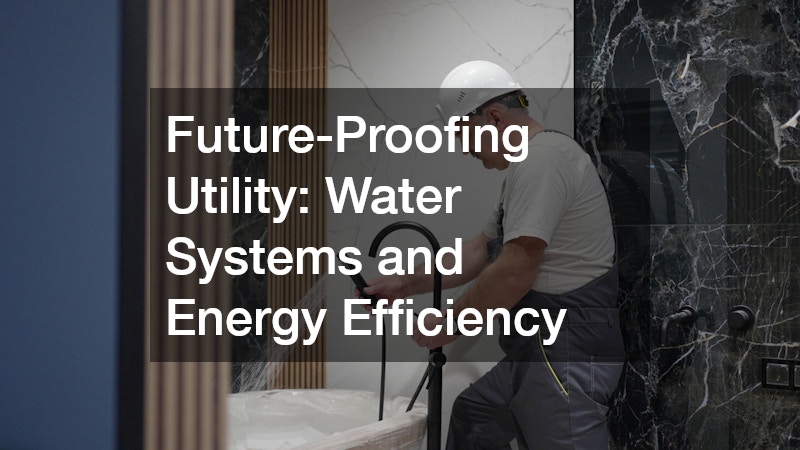
The modern homeowner is increasingly focused on sustainability, long-term utility savings, and personal health. Integrating advanced water utility systems and energy-efficient appliances into your kitchen and bathroom remodels is an exceptional way to differentiate your property from standard listings. These upgrades turn your home into an efficient, self-sustaining system.
In the kitchen, wellness-focused buyers are looking closely at how their water is treated. Incorporating a dedicated water filtration installation directly at the main sink or installing a comprehensive whole-house filtration system adds immense marketing power. It eliminates the need for unsightly countertop filter pitchers or wasteful plastic water bottles, providing clean, crisp, contaminant-free water directly from the tap.
In the bathroom, high-flow rainfall showerheads and multiple body sprays are incredibly luxurious, but they place a massive demand on your home’s thermal capacity. A standard 40-gallon storage water heater will quickly run out of hot water, leaving users freezing mid-shower. To truly future-proof your home’s luxury infrastructure, look into upgrading your mechanical core with modern water heater services. Switching from an old, inefficient tank model to a high-efficiency tankless water heater ensures an endless supply of on-demand hot water while dramatically slashing your monthly energy consumption, as you are no longer paying to constantly heat a massive tank of idle water.
- Smart Thermostats for Water: Modern tankless systems can be linked to smart home platforms, allowing you to monitor energy usage and adjust temperatures remotely.
- Low-Flow Luxury: Seek out plumbing fixtures that carry the WaterSense label; these use advanced aeration technology to provide powerful pressure while using 20% less water.
- LED Integration: Ensure all integrated mirrors, under-cabinet lighting strips, and recessed cans utilize energy-saving LEDs to keep your home’s electrical load low.
Maximizing the value of your kitchen and bathroom remodels requires a harmonious blend of aesthetic vision and mechanical practicality. By establishing a realistic neighborhood-based budget, investing heavily in high-quality cabinetry storage, and selecting timeless stone surfaces, you can create spaces that capture the imagination of any buyer. Simultaneously, prioritizing the invisible infrastructure behind the walls—such as modern plumbing lines, proper moisture ventilation, and energy-efficient water systems—safeguards your capital for the long run. When you treat your home renovation as a strategic investment rather than a superficial cosmetic exercise, you ensure that your daily comfort is backed by real, lasting financial equity.
About the Author