Plumbing emergencies tend to happen at the worst possible times—late at night, during family gatherings, or right before leaving the house. What starts as a small issue can quickly escalate into water damage, property loss, and expensive repairs if not handled correctly. The key difference between a minor inconvenience and a major disaster is often how quickly and appropriately the situation is addressed.
Understanding basic response steps gives homeowners the ability to reduce damage while waiting for professional help. It also helps distinguish between issues that can be temporarily managed and those that require immediate intervention. With the right knowledge, even stressful plumbing situations become more manageable and less destructive.
Identifying the Source of the Problem Quickly
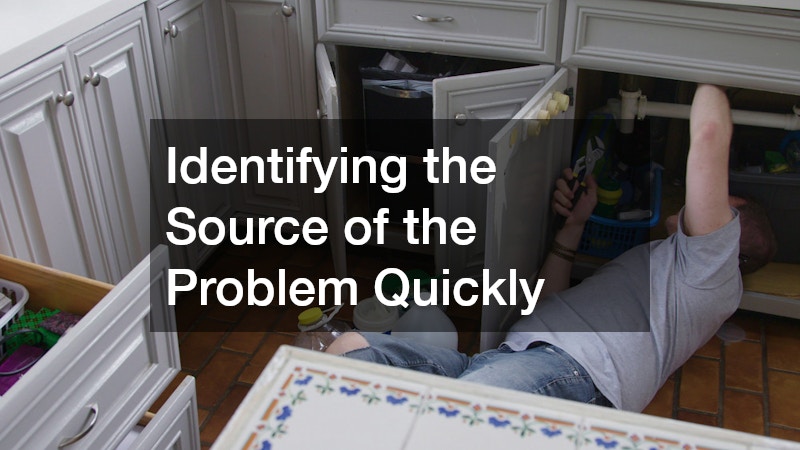
When a plumbing issue occurs, the first priority is determining where it is coming from. Water behaves unpredictably once it escapes pipes, so identifying the source quickly can prevent widespread damage. In many cases, what appears to be a major system failure is actually localized.
A plumber is typically trained to trace issues efficiently by checking pressure levels, fixture performance, and visible leak points. However, homeowners can also take initial steps before help arrives.
A licensed plumber is especially important in emergencies because they are qualified to assess system-wide risks and ensure repairs meet safety standards.
Key early assessment steps include:
- Checking if the issue affects one fixture or multiple areas
- Locating the main water shut-off valve
- Observing whether the water pressure has dropped across the home
- Listening for unusual pipe noises or vibrations
- Inspecting visible pipes for leaks or moisture
If the issue spreads beyond a single fixture, it may indicate a deeper system problem that requires immediate professional attention.
Responding to Water Heater Failures Safely
Hot water loss or leaks from heating systems can quickly disrupt household routines. In some cases, the issue is minor, but in others, it may indicate system failure or safety risks. Knowing how to respond helps prevent further damage.
Water heater repair often depends on whether the system is still structurally sound or has internal damage that requires replacement.
Modern systems like Rheem RTEX 13 electric tankless water heater offer on-demand heating, but they also require proper electrical and water flow conditions to function correctly. When these systems fail, troubleshooting must be done carefully to avoid electrical hazards.
Common emergency signs include:
- No hot water at all
- Water is leaking from the unit
- Strange popping or electrical noises
- Sudden temperature fluctuations
- Error codes on digital displays
Immediate response steps:
- Turn off the power to the unit if it is safe to do so
- Shut off incoming water supply if leaking occurs
- Avoid resetting the system repeatedly
- Check for visible blockages or mineral buildup
- Contact a professional if issues persist
Proper water heater repair not only restores comfort but also prevents potential flooding or electrical hazards.
Dealing With Blocked Bathroom Drains
Clogged drains are among the most common household plumbing emergencies. While some blockages are minor, others can cause backups and water overflow. A clogged bathtub drain is particularly disruptive because it often affects daily hygiene routines and can worsen quickly if ignored.
Drain issues usually develop gradually due to buildup from hair, soap, and debris.
Professional drain cleaning services are often required when basic home remedies are no longer effective. These services use specialized tools to remove deep blockages that household methods cannot reach.
Signs of serious blockage include:
- Water is draining very slowly or not at all
- Gurgling sounds after use
- Foul odors from drains
- Water backing up into the tub or sink
Helpful prevention tips:
- Use drain covers to catch debris
- Flush drains with hot water regularly
- Avoid chemical overuse that can damage pipes
- Schedule periodic drain cleaning
Addressing a clogged bathtub drain early prevents more severe plumbing complications.
When Drain Problems Signal Bigger Issues
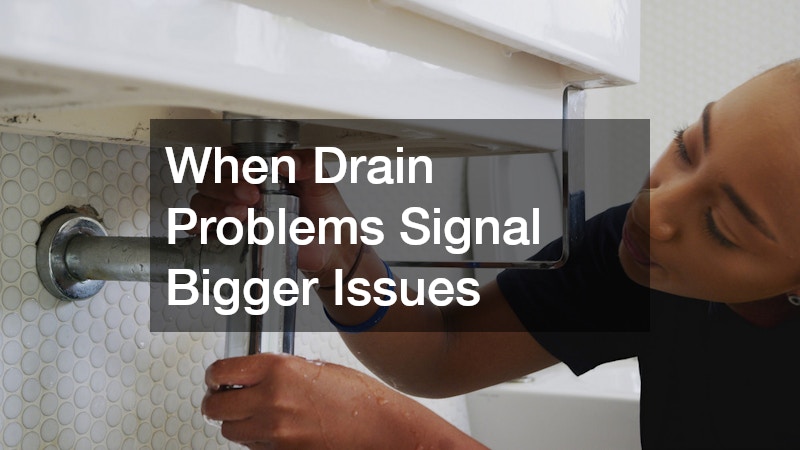
Not all drainage problems are isolated. Sometimes multiple slow or blocked drains indicate a deeper issue within the plumbing system. This is when a clogged drain service becomes necessary to diagnose and resolve system-wide problems.
In more serious cases, a plumbing company is needed to evaluate whether the issue involves sewer lines or structural pipe damage.
Warning signs of major drainage problems:
- Multiple drains are backing up simultaneously
- Sewage odors inside the home
- Water pooling in unexpected areas
- Frequent recurring clogs despite cleaning
When these symptoms appear, it usually indicates a blockage deeper in the system rather than a surface-level clog.
Steps professionals may take:
- Video camera inspection of pipes
- High-pressure jetting to clear blockages
- Sewer line evaluation
- Structural pipe assessment
A clogged drain service helps restore proper flow and prevents recurring issues from escalating into emergencies.
Managing Burst Pipes and Water Leaks
Burst pipes are among the most urgent plumbing emergencies because they can release large amounts of water in a short time. Quick action is essential to minimize damage.
Plumbing contractors are often called for these situations because they have the tools and expertise to handle both emergency repairs and full pipe replacements.
Local plumbers are also valuable in these situations because they can often arrive quickly and begin mitigation efforts before further damage occurs.
Immediate steps to take during a pipe burst:
- Shut off the main water supply immediately
- Turn off the electricity if water is near outlets
- Move furniture and valuables away from affected areas
- Use towels or buckets to contain water
- Document damage for insurance purposes
Prevention tips:
- Insulate exposed pipes during cold weather
- Monitor water pressure regularly
- Replace aging pipes before failure occurs
- Schedule routine inspections
A fast response significantly reduces repair costs and structural damage.
Handling Kitchen and Bathroom Emergencies
Kitchen and bathroom plumbing problems are common but can escalate quickly if ignored. These areas are high-use zones where small issues often develop into larger emergencies.
A plumber is typically needed when blockages or leaks cannot be controlled with basic methods. Drain cleaning is especially important in kitchens and bathrooms due to grease, soap, and debris buildup.
Common emergency situations include:
- Overflowing sinks or toilets
- Persistent slow drains
- Leaking fixtures or pipes
- Sudden water backups
Immediate steps:
- Turn off the water supply to the affected fixture
- Avoid using chemicals that may worsen blockages
- Contain water spills quickly
- Identify whether multiple fixtures are affected
Regular drain cleaning helps reduce emergency risks and keeps water flowing efficiently.
Preventing Long-Term Water Damage
Water damage is often more expensive than the plumbing issue itself. Small leaks or inefficiencies can gradually weaken structural materials and lead to mold growth or rot.
A plumbing company can help identify early warning signs and provide maintenance solutions that prevent long-term damage.
Water heater repair is especially important because slow leaks or inefficiencies in heating systems can go unnoticed for long periods.
Key prevention strategies:
- Inspect under sinks and appliances regularly
- Check water heater performance monthly
- Monitor utility bills for unexpected increases
- Address leaks immediately, even if small
Installing water detection devices can also help alert homeowners before damage spreads.
Understanding Professional Help and Qualifications
Not all plumbing professionals offer the same level of service. A licensed plumber is required for work that involves code compliance, structural plumbing changes, or major repairs.
Plumbing contractors often manage larger projects or emergency responses that require multiple technicians or specialized equipment.
What to look for in professionals:
- Proper licensing and certification
- Insurance coverage
- Experience with emergency repairs
- Transparent pricing and estimates
Questions to ask before hiring:
- Are you licensed and insured?
- Do you provide emergency services?
- What is your response time?
- Do you offer written estimates?
Choosing qualified professionals ensures repairs are done safely and correctly the first time.
Preventive Drain and Pipe Maintenance
Preventing plumbing emergencies is often easier and significantly more cost-effective than responding to them after damage has already occurred. Most major plumbing failures do not happen suddenly without warning; they usually develop over time through small, unnoticed issues such as buildup, minor leaks, or reduced water flow. Regular maintenance helps identify these early warning signs before they escalate into emergencies that require extensive repairs or property restoration.
A clogged drain service can be scheduled periodically to remove buildup and maintain system efficiency. This is especially important in homes where multiple people are using sinks, showers, and tubs daily, as soap residue, hair, grease, and other debris can gradually restrict water flow. Professional cleaning helps clear deeper blockages that typical household methods cannot reach, ensuring the system continues to function smoothly.
A recurring clogged bathtub drain is often a sign that deeper maintenance is needed rather than a simple surface-level issue. When clogs keep returning, it may indicate buildup further inside the plumbing system or structural issues within the pipes themselves. Addressing only the visible symptoms without investigating the underlying cause can lead to repeated problems and eventual emergency situations.
Maintenance recommendations become far more effective when they are consistently followed rather than treated as one-time tasks. Preventive habits not only extend the life of plumbing systems but also reduce the likelihood of sudden failures.
Maintenance recommendations:
- Schedule annual professional inspections to allow trained specialists to assess the overall condition of the plumbing system, identify hidden issues, and recommend timely repairs before they worsen.
- Use strainers in sinks and tubs to catch hair, food particles, and other debris before they enter the drainage system, reducing the risk of buildup and blockages.
- Avoid flushing non-dissolvable items such as wipes, paper products not designed for plumbing systems, or hygiene products, as these materials can accumulate and cause serious obstructions.
- Clean drains regularly with safe methods such as hot water flushing or approved natural cleaning solutions to help prevent gradual buildup without damaging pipes.
Preventive care reduces the likelihood of unexpected breakdowns and costly repairs by maintaining consistent water flow, reducing strain on plumbing components, and ensuring small issues are addressed before they turn into major emergencies.
Preparing a Household Plumbing Emergency Plan

Having a plan in place makes emergencies significantly easier to manage because it removes uncertainty at the moment when quick decisions matter most. When water is actively leaking or a drain is backing up, stress can make it difficult to think clearly. A prepared household already knows the sequence of actions to take, which reduces panic and limits how much damage occurs before help arrives.
Knowing who to call and what steps to take ahead of time ensures that response time is not wasted searching for solutions during the emergency itself. Instead of scrambling to find a service provider or guessing what might help, homeowners can immediately move into action mode. This kind of preparation often makes the difference between a minor cleanup and extensive water damage restoration.
Local plumbers are valuable contacts because they can often provide faster response times in urgent situations. Since they operate within the community, they are typically more familiar with common regional plumbing issues and can arrive more quickly than larger, less localized services. In emergencies where every minute counts, this speed can greatly reduce the extent of damage to flooring, walls, and personal belongings.
In addition, modern systems like Rheem RTEX 13 electric tankless water heater can be part of a home’s backup strategy when properly maintained. These systems provide on-demand hot water, which can be especially helpful during partial plumbing disruptions or when traditional water heating systems fail. While they are not a substitute for emergency repairs, they can help maintain a level of household functionality during unexpected plumbing issues.
Emergency preparedness steps become even more effective when they are reviewed and updated regularly rather than created once and forgotten. A strong plan typically includes both physical preparation and household awareness, so everyone knows how to respond correctly.
Emergency preparedness steps:
- Keep a list of emergency plumbing contacts in multiple accessible locations, such as phones, kitchen drawers, or utility rooms, so help can be reached immediately without searching for numbers.
- Label shut-off valves clearly so any household member can quickly stop water flow in an emergency, preventing further flooding or damage while waiting for assistance.
- Store basic tools for quick response, such as adjustable wrenches, pliers, and buckets, which can help temporarily control leaks or minor plumbing issues.
- Educate household members on emergency steps so everyone understands what to do, even if the primary homeowner is not present during the incident.
- Know the location of main water and power controls so systems can be shut down safely when necessary, reducing the risk of electrical hazards or uncontrolled water flow.
A well-prepared home responds faster and suffers less damage during plumbing emergencies because the response is organized, immediate, and based on clear instructions rather than reaction under pressure.
Conclusion
Plumbing emergencies can be stressful, but they are far more manageable when homeowners understand how to respond quickly and correctly. Recognizing warning signs, shutting off water when needed, and knowing when to call professionals all play a major role in reducing damage and repair costs.
With the right preparation and awareness, even sudden plumbing issues can be handled with confidence, protecting both the home and its long-term value.
About the Author